


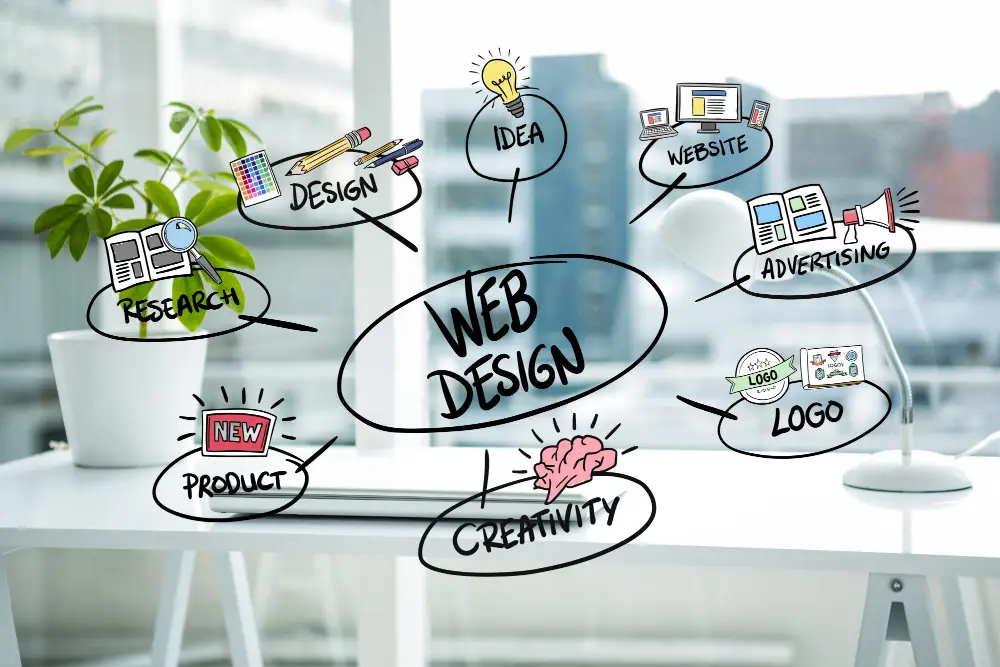
The Role of Content Management Systems (CMS) in Web Design
In Kenya’s fast-growing digital economy, having a strong online presence is no longer optional—it’s a necessity. Customers today expect businesses to have websites that are not only visually appealing but also functional, easy to navigate, and constantly updated with relevant information. A static website that looks good but is difficult to manage quickly becomes outdated, hurting both customer trust and business growth.
This is where Content Management Systems (CMS) come in. A CMS is a powerful tool that allows businesses to build, edit, and maintain websites without needing advanced coding knowledge. From startups running simple blogs to SMEs managing e-commerce stores and corporates handling enterprise-level websites, CMS platforms offer the flexibility and efficiency needed to thrive in Kenya’s competitive digital space.
With a CMS, businesses can:
- Easily update content without relying on developers.
- Scale websites as they grow, adding new pages, products, or services seamlessly.
- Improve SEO performance with built-in optimization features.
- Save costs by reducing long-term development and maintenance expenses.
At Nelium Systems, we specialize in CMS-driven web design that goes beyond just creating websites—we empower Kenyan businesses to take full control of their digital presence. By blending creativity, functionality, and local market expertise, we build CMS solutions that are easy to manage, scalable for growth, and tailored to the unique needs of each business.
This article explores the role of CMS in modern web design, highlighting its key benefits and explaining why it has become the backbone of scalable, cost-effective, and future-ready online platforms in Kenya.
- What is a Content Management System (CMS)?
A Content Management System (CMS) is a software platform that allows individuals and businesses to create, edit, organize, and publish content online without requiring advanced technical or coding knowledge. Instead of writing raw code, users work with intuitive dashboards, drag-and-drop editors, and plugins that simplify website management.
Why It Matters:
- Makes website management accessible to non-technical users, allowing anyone to manage digital content with ease.
- Reduces dependency on developers for routine updates, saving time and money.
- Provides customizable themes and plugins that enhance website functionality.
- Enables collaboration by allowing multiple users (e.g., marketing teams, content creators) to manage content simultaneously.
- Powers millions of websites worldwide, from personal blogs to e-commerce giants, proving its scalability.
Nelium Systems Perspective:
At Nelium Systems, we don’t just install a CMS—we help Kenyan businesses choose the right one based on their industry, budget, and long-term goals. Whether it’s WordPress for blogs and SMEs, Shopify for e-commerce, or Drupal for complex corporate sites, we ensure the chosen CMS is scalable, reliable, and future-ready.
- Simplifying Content Updates
One of the biggest advantages of a CMS is how it streamlines the process of updating and managing content. Without a CMS, even a simple text or image update often requires coding expertise. With a CMS, business owners and marketing teams can publish blogs, update service descriptions, or launch new products within minutes—no developer required.
Why It Matters:
- Saves time for business owners and staff by simplifying updates.
- Empowers marketing teams to keep content fresh and relevant without relying on IT support.
- Ensures websites remain up-to-date, which improves SEO rankings and customer trust.
- Makes it easy to launch seasonal campaigns, promotions, or news updates.
- Encourages businesses to publish consistent content, which boosts engagement and credibility.
Nelium Systems Perspective:
We don’t just build CMS websites—we train our clients to use them effectively. Nelium Systems provides hands-on guidance so that Kenyan businesses can confidently update their own websites, reducing long-term costs while maintaining professional standards.
- Enhancing Design Flexibility
Your website is often the first impression customers have of your business, and design plays a critical role in shaping brand perception. CMS platforms offer a wide range of customizable themes, layouts, and visual tools, making it possible to build a site that is both professional and unique. For Kenyan businesses, design flexibility means you can stand out in competitive industries without spending heavily on custom coding.
Why It Matters:
- Offers modern, mobile-responsive templates that adapt seamlessly to different devices.
- Supports brand consistency by allowing you to apply your logo, colors, and typography across all pages.
- Enables integration of multimedia content such as videos, animations, galleries, and infographics.
- Makes it easy to refresh the design periodically without rebuilding the site from scratch.
- Provides flexibility for different industries—from e-commerce and real estate to education and healthcare.
Nelium Systems Perspective:
We go beyond simply picking templates. At Nelium Systems, we customize CMS themes to reflect each client’s brand personality, ensuring the design is visually engaging, user-friendly, and optimized for performance. Our goal is to make every Kenyan business website look professional, modern, and credible.
- SEO-Friendly Features
Having a great-looking website means little if customers can’t find it online. CMS platforms are built with SEO in mind, offering powerful tools and integrations that make optimization straightforward even for non-technical users. From customizing URLs to adding metadata, CMS websites give businesses the edge they need to appear on Google search results.
Why It Matters:
- Provides simple tools for optimizing meta titles, descriptions, and alt text.
- Easily integrates with SEO plugins like Yoast SEO and Rank Math for advanced control.
- Generates structured, clean URLs that are search-engine friendly.
- Supports mobile-first indexing, which is critical in Kenya’s mobile-heavy internet market.
- Helps improve loading speed, an important factor for both SEO rankings and user experience.
- Facilitates content marketing by making it easy to publish blogs, landing pages, and articles.
Nelium Systems Perspective:
We design CMS websites that are SEO-ready from day one. At Nelium Systems, we integrate the right plugins, optimize site architecture, and craft keyword-focused strategies to help Kenyan businesses rank higher on Google, attract organic traffic, and stay ahead of competitors.
- Scalability and Growth
A website should evolve alongside your business. One of the biggest strengths of a CMS is its ability to scale effortlessly—whether you’re adding new service pages, launching an online store, or integrating advanced functionalities like booking systems. For Kenyan businesses, scalability means you can start small and grow without being forced into costly redesigns.
Why It Matters:
- Supports diverse needs including e-commerce, blogs, and membership systems.
- Handles growth in traffic and content volume without performance issues.
- Allows easy integration of third-party tools like CRMs, payment gateways, or chatbots.
- Future-proofs websites, making them adaptable to changing digital trends and business needs.
Nelium Systems Perspective:
We build CMS websites with long-term scalability in mind. From SMEs planning expansion to corporates managing large-scale operations, our solutions are designed to grow with your business. You’ll never have to start from scratch—your website evolves with you.
- Security and Regular Updates
In today’s digital world, cybersecurity is a top priority. CMS platforms like WordPress, Joomla, and Drupal are supported by global developer communities that release frequent security patches and updates. This makes CMS websites safer when properly maintained. For Kenyan businesses handling sensitive customer data, security is non-negotiable.
Why It Matters:
- Protects websites from hacking attempts, malware, and data breaches.
- Keeps the CMS core software, plugins, and themes up to date and secure.
- Builds customer trust by ensuring safe transactions with SSL certificates and secure payment gateways.
- Helps maintain compliance with data protection standards.
Nelium Systems Perspective:
We don’t just design CMS websites—we maintain and secure them. Nelium Systems provides ongoing updates, firewalls, malware scanning, and SSL integration, giving Kenyan businesses the peace of mind that their websites are protected 24/7.
- Cost-Effectiveness
A CMS isn’t just about convenience—it’s also about saving money. Instead of depending on developers for every minor update, businesses can take control of their own content and cut recurring costs. This makes CMS platforms especially attractive to Kenyan SMEs and startups, where budgets are often tight, yet digital presence is non-negotiable.
Why It Matters:
- Minimizes reliance on developers for small updates like text changes or image uploads.
- Provides access to free or low-cost themes and plugins, reducing upfront design costs.
- Delivers strong ROI by combining affordability with professional functionality.
- Scales easily, so businesses avoid expensive redesigns as they grow.
Nelium Systems Perspective:
We design and implement cost-effective CMS solutions tailored to Kenyan businesses of all sizes. Our approach ensures clients get affordable, high-quality websites that can be managed in-house—without sacrificing security, scalability, or design excellence.
Conclusion
A Content Management System is more than just a website tool—it’s the foundation of modern web design. For businesses in Kenya, CMS platforms offer unmatched flexibility, cost-effectiveness, and control. From simplifying updates to enhancing scalability, improving SEO performance, and integrating local solutions like M-Pesa, a CMS ensures your website stays relevant and competitive in today’s fast-paced digital environment.
At Nelium Systems, we don’t just build websites—we build growth platforms. Our CMS-powered solutions are designed to blend creativity, functionality, and local market expertise, giving your business an edge in Kenya’s digital-first economy. Whether you’re a startup looking for affordability, an SME focused on growth, or a corporate enterprise seeking scalability, we deliver secure, mobile-first, and SEO-friendly CMS websites that help you connect with customers and achieve measurable results.
Your website should work for you, not against you. With the right CMS and the right partner, your business can unlock new opportunities, boost online visibility, and stay ahead of the competition.
FAQs
Q1: What is the best CMS for businesses in Kenya?
A: The best CMS depends on your business goals. WordPress is the most widely used in Kenya because of its flexibility, user-friendliness, and a wide range of plugins. Joomla is also a solid option for businesses needing strong multilingual support. Drupal is powerful for large, complex websites that require advanced customization, while Shopify is ideal for businesses focusing purely on e-commerce. At Nelium Systems, we help you choose the right CMS after analyzing your industry, budget, and long-term needs.
Q2: Can I manage my website without coding knowledge?
A: Yes. A CMS is specifically designed to make website management simple, even for non-technical users. Through a user-friendly dashboard, you can update text, change images, upload videos, or add new products with just a few clicks—no coding required. For Kenyan SMEs, this is a game-changer because it eliminates the need for ongoing developer support for small changes. Nelium Systems also provides training so your team feels confident managing the site.
Q3: Is CMS suitable for e-commerce websites?
A: Absolutely. CMS platforms like WordPress with WooCommerce, Shopify, and Joomla offer robust e-commerce features including product catalogs, inventory management, mobile-friendly checkout, and local payment integrations like M-Pesa. Whether you are running a small online boutique or a large online store, a CMS can handle your sales, transactions, and customer management seamlessly.
Q4: How secure are CMS websites?
A: CMS websites are highly secure when maintained properly. Security depends on regular updates, strong passwords, SSL certificates, and security plugins or extensions. Platforms like WordPress and Joomla release frequent patches to address vulnerabilities. Nelium Systems also offers ongoing website maintenance and security monitoring, ensuring your website remains safe from hacking attempts and cyber threats.
Q5: Does CMS improve SEO performance?
A: Yes. CMS platforms are built with SEO in mind. They allow you to edit meta titles, descriptions, and URLs, add alt text to images, and structure your content for search engine indexing. Plugins like Yoast SEO (WordPress) or Easy Frontend SEO (Joomla) make optimization easier for beginners. At Nelium Systems, we combine CMS features with tailored SEO strategies to improve your website’s Google rankings in Kenya.
Q6: Can a CMS website handle heavy traffic?
A: Yes. With the right hosting and optimization, CMS websites can scale to handle thousands—or even millions—of monthly visitors. For example, many global news websites and e-commerce stores run on WordPress or Drupal. The key lies in using reliable hosting, caching tools, and performance optimization. Nelium Systems ensures your CMS website is built for speed, stability, and scalability as your business grows.
Q7: What’s the cost of building a CMS website in Kenya?
A: The cost of a CMS website varies depending on factors like design complexity, number of pages, e-commerce integration, and custom features. Basic SME websites may cost less, while corporate or e-commerce platforms require more investment. At Nelium Systems, we offer scalable packages tailored for startups, SMEs, and corporates—ensuring every business gets value for their budget.
Q8: How often should a CMS website be updated?
A: CMS websites should be updated regularly. Ideally, plugins, themes, and security patches should be checked weekly, while content updates (like blog posts, new services, or offers) should be done as often as needed to keep the site fresh. Regular updates not only improve security but also enhance user experience and SEO performance. Nelium Systems offers maintenance packages to keep your website healthy and updated.
Q9: Can Nelium Systems migrate my existing website to a CMS?
A: Yes. If you currently have a static website or an outdated system, Nelium Systems can migrate it to a modern CMS like WordPress, Joomla, or Drupal. We ensure all your content, design elements, and functionality are preserved or improved during the migration. The result is a more user-friendly, secure, and scalable website that’s easier to manage.
Q10: Why choose Nelium Systems for CMS web design in Kenya?
A: Nelium Systems combines local market insights with global best practices to deliver CMS websites that are not only visually appealing but also functional, secure, and scalable. Our team understands the unique needs of Kenyan businesses, from mobile-first design to integrating local payment solutions like M-Pesa. Whether you’re an SME or a corporate, we provide tailored CMS solutions that drive growth and give you full control over your digital presence.
Got a Project in Mind? Let’s Talk.
You’ve got a vision — we’ve got the team to bring it to life. Let’s discuss your goals and turn them into powerful results.
Phone: +254 710 520 510
Email: hello@neliumsystems.com


